

TMS implementations rarely fail because of the software. More often than not, internal factors, such as organizational readiness challenges and resource constraints, are to blame.
TMS Implementation Doesn’t End at Go-Live

TMS implementations rarely fail because of the software. More often than not, internal factors, such as organizational readiness challenges and resource constraints, are to blame.

As an implementer of logistics technology for 30 years, one very consistent thread surfaces looking back – logistics functional leadership consistently views implementation as an IT delivery task, instead of actively designing an operating model that delivers upon their own desired outcomes.
Committing to a new supply chain technology is a big decision, but there’s a gap between strategic intent and successful implementation. JBF’s Orchestration Services exist to close that gap
Selecting and implementing a TMS is a bit like walking into a haunted house–you never know when a terrible design flaw is lurking around the corner.
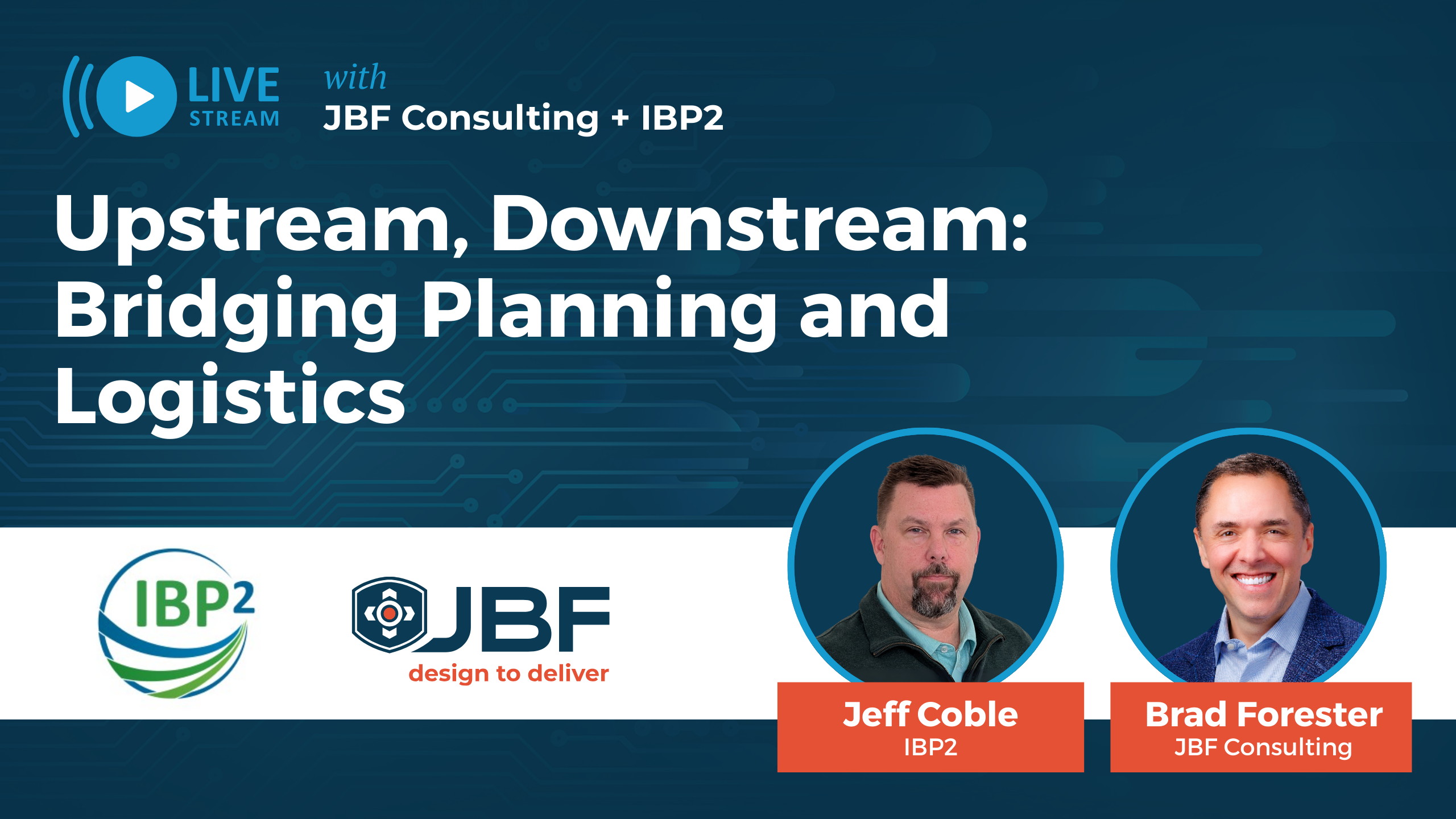
Sales & Operations Planning (S&OP) has long been a trusted mechanism for aligning demand, supply, finance, and sales around a single plan. Its tactical counterpart, Sales & Operations Execution (S&OE), extends this alignment to a weekly or even daily cadence,… Read More
TMS or WMS—which comes first? We’ve identified 5 factors to help you determine the right sequence for your operations.

Sophisticated shippers capture and prioritize business requirements as a key input into their TMS vendor selection process. Most shippers rely too heavily on 3rd party industry analysis that can’t identify the specific functional requirements that can enable them to more precisely down-select one or more TMS software vendors.
A TMS is a major investment, so when it doesn’t live up to your expectations, it’s frustrating (and that’s putting it mildly). The good news is that all is not lost—a little seasonal maintenance will go a long way.
5 practical tactics we leverage with our clients to help better understand and quantify integration effort before they become “budgetary shock” issues during an implementation.
