

We recently asked 215 supply chain leaders about their AI initiatives. We found that only 7% set a baseline, 11% set success criteria, 3% check results afterward. Here’s what a defensible ROI case requires.
AI ROI: How Do You Measure It?

We recently asked 215 supply chain leaders about their AI initiatives. We found that only 7% set a baseline, 11% set success criteria, 3% check results afterward. Here’s what a defensible ROI case requires.
Read enough industry coverage right now and autonomous AI sounds like a settled outcome: robots in warehouses, agents running freight networks, a shrinking workforce to match. For most shippers today, that isn’t the operating reality, and nothing in the current generation of tools points to it becoming the reality next year either.

When you start with buying before validating strategy and defining key capabilities, you’re not making a disciplined investment; you’re running an expensive experiment.
Markets will swing, disruptions will come, but organizations that continuously tune their networks are the ones that turn volatility into advantage.
Our latest report outlines 10 predictions through 2030 that cut through the hype and focus on what really matters.
Peak season tests supply chains with surcharges, volatility, and customer pressure, but it can also be the proving ground for resilience.
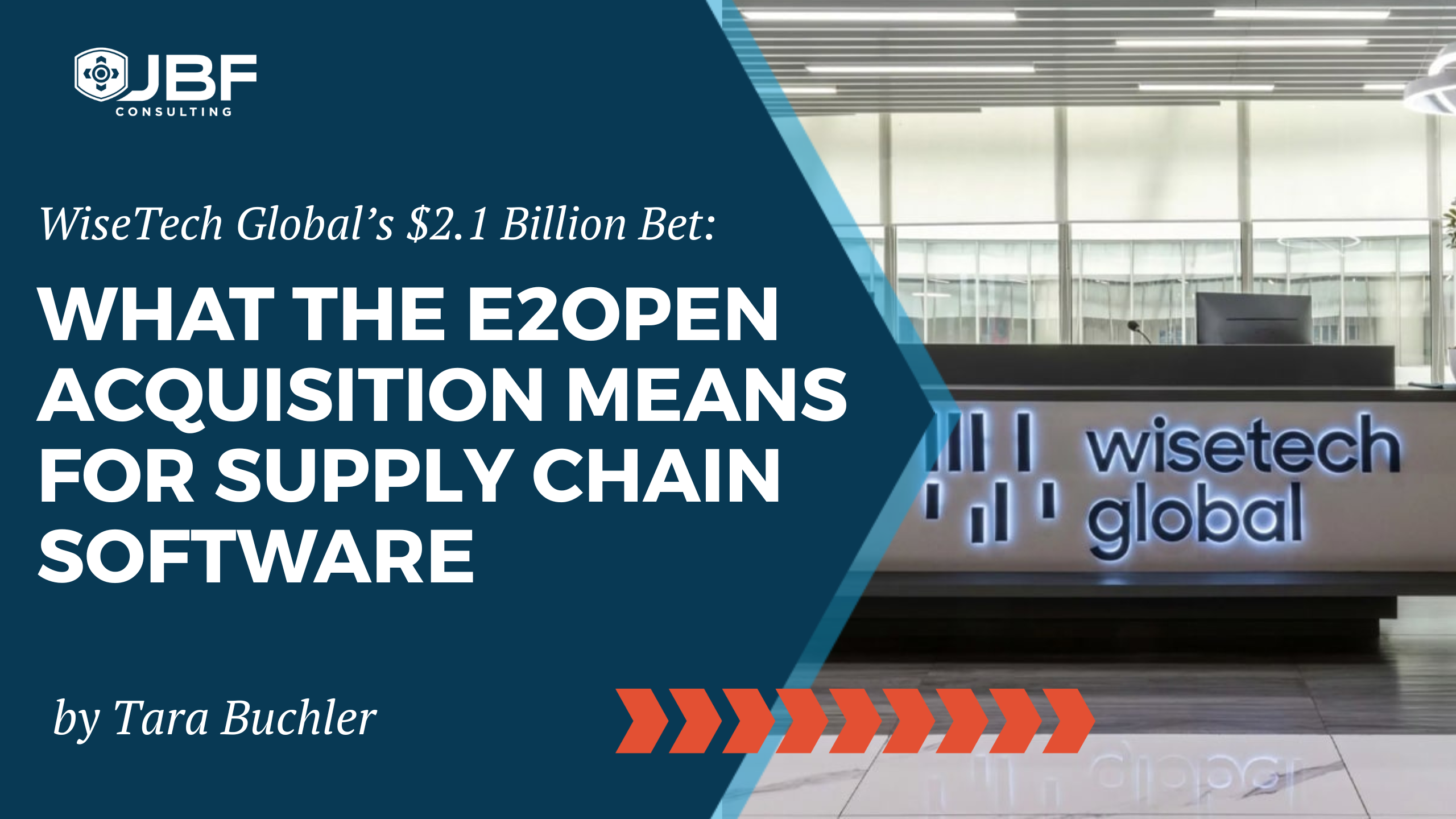
For most US-based supply chain professionals, WiseTech’s acquisition of e2open raises an immediate question: who exactly is WiseTech, and what does this mean for the thousands of companies currently relying on e2open’s platform?
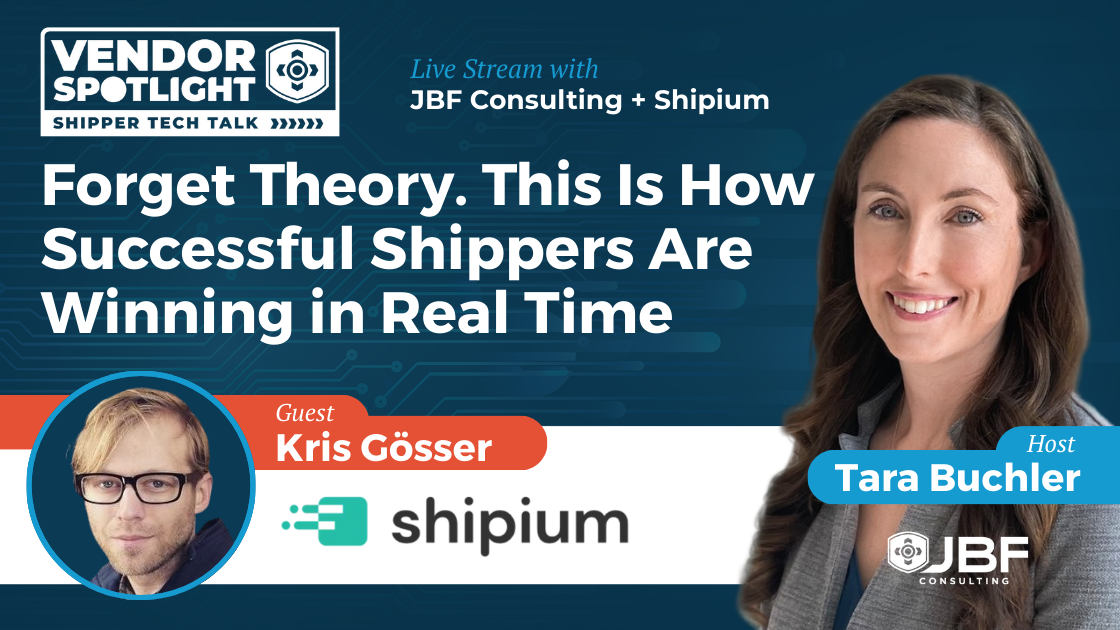
Modern logistics is about using real-time data, predictive intelligence, and smart automation to turn complexity into opportunity. Shipium is one company doing just that.

Given the prediction of sustained growth in the industry, it’s safe to assume investment in TMS and logistics software will continue in the years to come. What does this mean for logistics leaders who are tasked with ensuring their technology and systems ecosystem is durable and low risk?
