

GPU-based solvers are enabling faster solves, better solutions, and the ability to answer questions that used to require weeks of analysis.
The Next Era of Fleet Routing and Scheduling is Here

GPU-based solvers are enabling faster solves, better solutions, and the ability to answer questions that used to require weeks of analysis.

At its core, the conversation around AI in supply chain isn’t really about automation. It’s about judgment.

Markets will swing, disruptions will come, but organizations that continuously tune their networks are the ones that turn volatility into advantage.

With shipper participation growing, AI capabilities accelerating, and major platform changes on the horizon, Trimble’s Insight Conference offered a candid look at where the industry is headed.
Sales & Operations Planning (S&OP) has long been a trusted mechanism for aligning demand, supply, finance, and sales around a single plan. Its tactical counterpart, Sales & Operations Execution (S&OE), extends this alignment to a weekly or even daily cadence,… Read More

Peak season tests supply chains with surcharges, volatility, and customer pressure, but it can also be the proving ground for resilience.

Modern logistics is about using real-time data, predictive intelligence, and smart automation to turn complexity into opportunity. Shipium is one company doing just that.
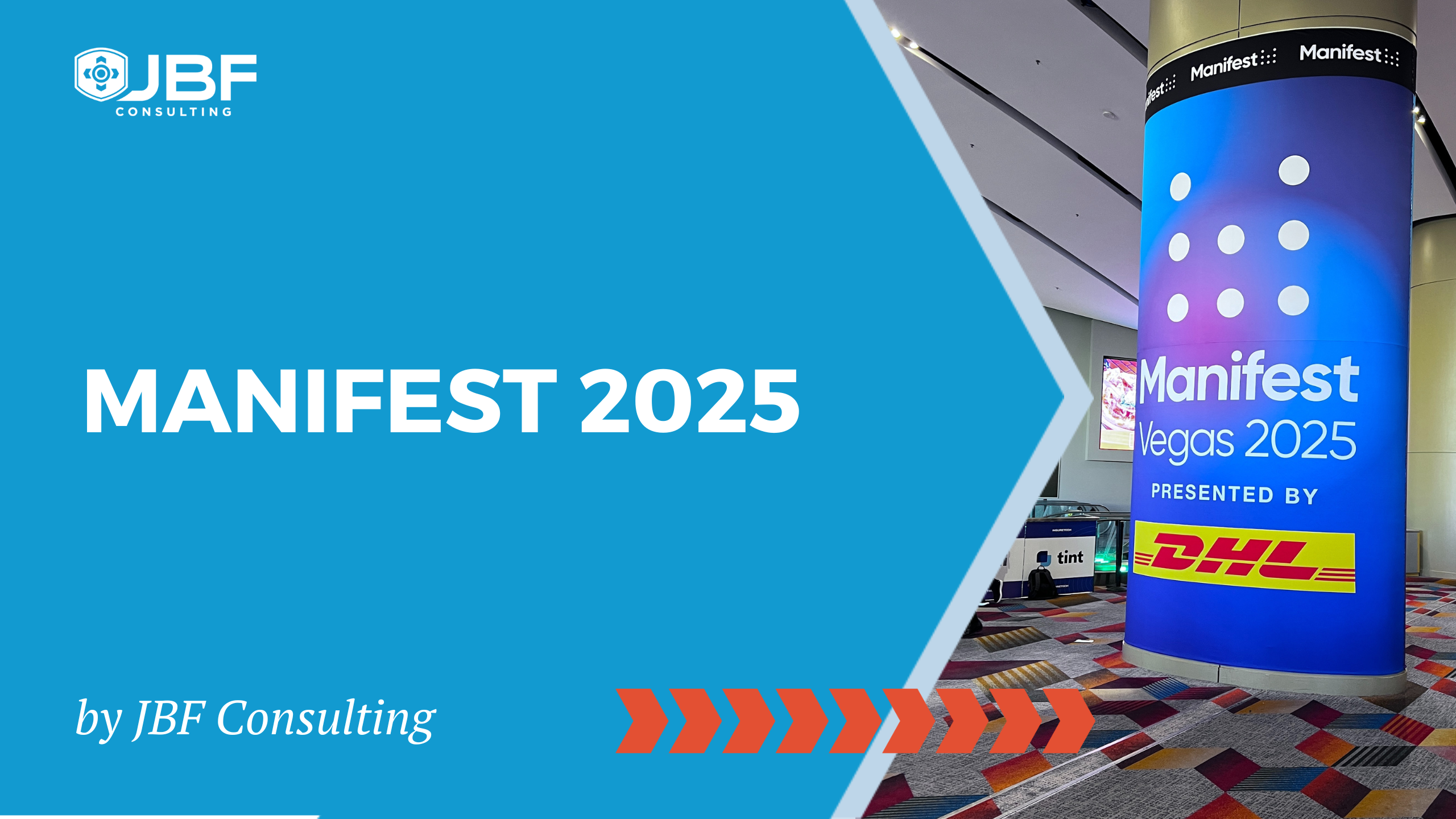
JBF CEO Brad Forester, along with Tony Wayda, and Chris Doersen, attended the Manifest 2025 in Las Vegas. This show brought together the most comprehensive ecosystem of innovation and transformation in supply chain and logistics.

Industry experts explore the latest market trends and challenges in North American freight transportation, including artificial intelligence, transportation networks, nearshoring, sustainability, and data-driven decision making. Going one step further, discover solutions empowering shippers and carriers to respond more quickly, intelligently, and effectively.
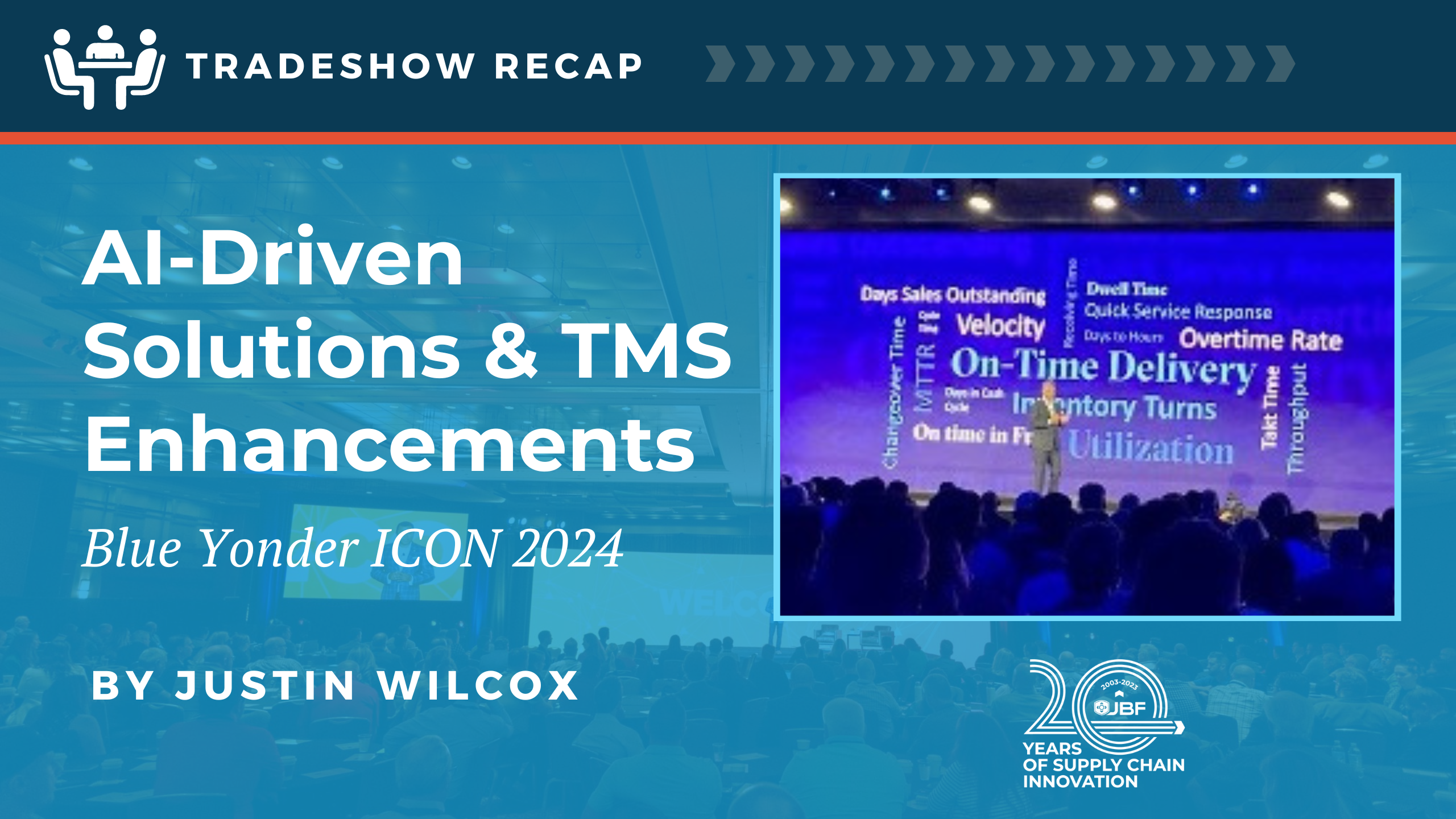
Blue Yonder certainly has the products (even more so with recent acquisitions) to accomplish this, but the deciding factor will be how well they are able to make all of the products work with each other to be truly integrated.
